
Chia seeds can help with weight loss, but not because they magically burn fat. I use them because they help me feel fuller for longer, make a calorie deficit easier to stick to, and fit into real life without a ton of effort. The key is using them the right way: soaked, paired with enough water, and added into a plan that already makes sense.
I used to think the problem was my willpower. Not my plan. Not my meals. Not the fact that I’d be starving two hours after breakfast and side-eyeing snacks before lunch even started. Just me. And honestly? That belief keeps so many people stuck. We’re told to “eat less” like hunger is some tiny inconvenience, when in real life it can feel loud, annoying, and relentless.
That’s why chia seeds for weight loss caught my attention again. Not because I believed in some miracle food. I didn’t. But because I wanted something simple that could help me stay full without blowing up my calories. What I found surprised me a bit. Used the right way, chia seeds didn’t change everything overnight. They changed the part that usually ruins fat loss: my appetite.
Introduction
When I started looking seriously at chia seeds for weight loss, I wasn’t looking for a trendy superfood moment. I was looking for relief. Real relief. The kind that shows up around 10:30 in the morning when breakfast already feels like a distant memory and suddenly every random snack in the kitchen looks emotionally supportive. That moment. That’s the moment I wanted to solve.
Because here’s the thing almost nobody says clearly enough: weight loss is not only about discipline. Yes, a calorie deficit matters. Yes, your food choices matter. Yes, protein matters. But if your hunger is constantly punching holes in your plan, it gets very hard to stay consistent. You can have the prettiest meal prep containers in the world and still end up off track by dinner because you were white-knuckling your way through the day.
That’s why I kept circling back to foods that actually help with appetite control. Not fake “diet foods” that leave me more annoyed than satisfied. Not complicated recipes with seventeen ingredients and a blender I have to emotionally prepare to wash. I wanted something cheap, easy, and realistic. Something I could add to my day without turning it into a project.
Chia seeds checked a lot of those boxes fast. They’re tiny, yes. Almost suspiciously tiny. But once soaked in liquid, they turn into this gel-like texture that can make drinks and meals feel much more filling. That’s the part that makes them interesting for fat loss. They contain fiber, absorb liquid, and create more volume, which can help you stay satisfied longer. Not forever. Not magically. Just longer. And sometimes longer is exactly what you need.
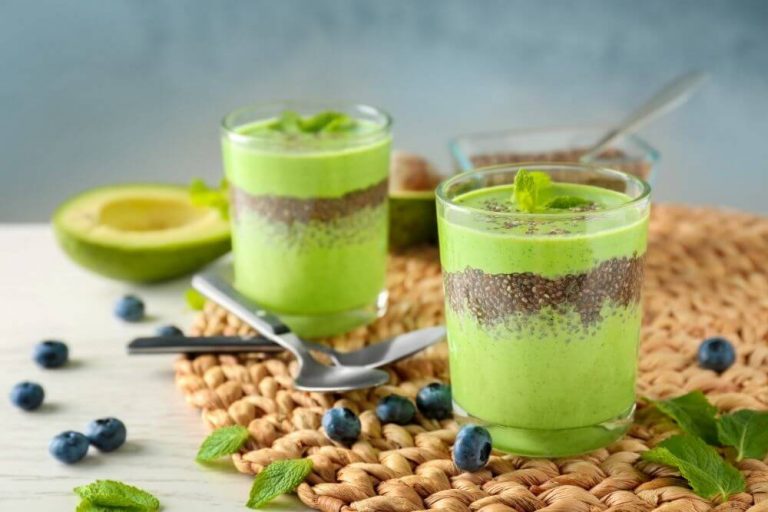
In this article, I’m breaking down what actually works with chia seeds if your goal is weight loss. I’m talking about why hunger can ruin good intentions, how chia seeds help, the best way I’ve found to prepare them, common mistakes that make people give up too early, and how I fit them into a normal day without making food feel weird or overcomplicated. I’m also sharing a simple method that feels doable even if you’re busy, tired, or honestly a little skeptical.
And I get it if you are skeptical. I was too. I’ve seen enough flashy health claims online to last me a lifetime. But sometimes the answer isn’t dramatic. Sometimes it’s just a small tool that makes the bigger plan easier to follow. That’s what chia seeds became for me. Not the hero. Not the whole strategy. Just one very helpful little sidekick.
If you’ve been trying to eat less but keep ending up hungry, snacky, frustrated, or weirdly obsessed with what’s in your pantry, keep reading. Because this might be one of those simple shifts that makes your routine feel less like punishment and more like something you can actually stick with. And that matters. A lot.
Image Prompt: A realistic 2:3 vertical Pinterest-style image of a slightly messy kitchen counter with a glass jar of soaked chia seeds beside a protein shake, natural morning window light, a few water rings on the counter, soft shadows, casual smartphone photography, slight blur around the edges, imperfect composition, muted natural tones, homemade feel, no studio perfection.
Why Hunger Is the Real Problem in Weight Loss
Let’s be brutally honest for a second. Most people do not fail fat loss because they “don’t know what healthy food is.” They fail because hunger wears them down. Slowly at first. Then all at once. It starts with one extra handful of something, one “I’ll just have a little taste,” one snack because dinner is still too far away. Then by the end of the week, the calorie deficit that looked so neat on paper is kind of… gone.
That’s why I care so much about foods that support satiety. If a food helps me feel full, it’s not just helping physically. It’s helping mentally too. It lowers the noise. It reduces that constant internal negotiation where I’m trying to talk myself out of eating things I didn’t even plan to eat in the first place. And yes, that mental energy adds up.
One reason chia seeds benefits get so much attention in weight loss conversations is because they’re naturally high in fiber and can absorb a lot of liquid. When they soak, they expand and become gel-like. That extra bulk can help meals feel more substantial, especially when paired with protein. It’s not glamorous. It’s not exciting. But wow, it can be useful.
I noticed pretty quickly that when I added soaked chia seeds to a morning protein shake, that shake stopped feeling like a flimsy little “healthy option” and started feeling more like something that actually held me over. That changed my entire morning rhythm. Suddenly I wasn’t checking the clock and wondering how soon was too soon to eat lunch. I wasn’t as distracted by hunger. I wasn’t quite so dramatic either, which is nice for everyone involved.
This is where people get confused though. Chia seeds don’t erase the need for a calorie deficit. They don’t give you a free pass to ignore portions, skip protein, or stop paying attention to your meals. What they can do is make the deficit easier to maintain because you feel more satisfied. That’s a big difference. A very big difference. One is fantasy, the other is strategy.
I also think this is why so many weight loss plans fall apart. They focus so hard on restriction that they forget about manageability. If your plan makes you ravenous, it’s probably not built to last. You might survive it for a week. Maybe two. But if every day feels like a test of character, eventually your body is going to push back. Hard.
That’s why I prefer tools that work with my biology instead of against it. More fullness. More volume. More stability between meals. Less food obsession. Less random snacking. Less “accidental” eating that absolutely counts, even when I pretend it dosen’t. Tiny improvements there can create a surprisingly big shift in results over time.
So when I say hunger is the real problem, I’m not being dramatic. Okay maybe a little. But I’m also right. If you can find a few simple ways to make your meals more filling, everything gets easier. And that’s exactly where chia seeds can earn their place.
Image Prompt: A homemade-looking vertical image of a woman in a cozy kitchen looking at the clock while holding a half-finished protein shake, natural side light, slightly cluttered counter, relatable tired-morning mood, subtle grain, imperfect handheld phone shot, shallow depth of field, warm neutral colors, realistic and unpolished.
How Chia Seeds Actually Help With Weight Loss
So, what do chia seeds actually do? Because this is where the internet gets a little chaotic. You’ll see dramatic claims about belly fat, detoxing, instant flattening, and all sorts of nonsense. I don’t buy that. What I do buy is the practical value of a food that helps me stay fuller longer and makes my meals work harder.
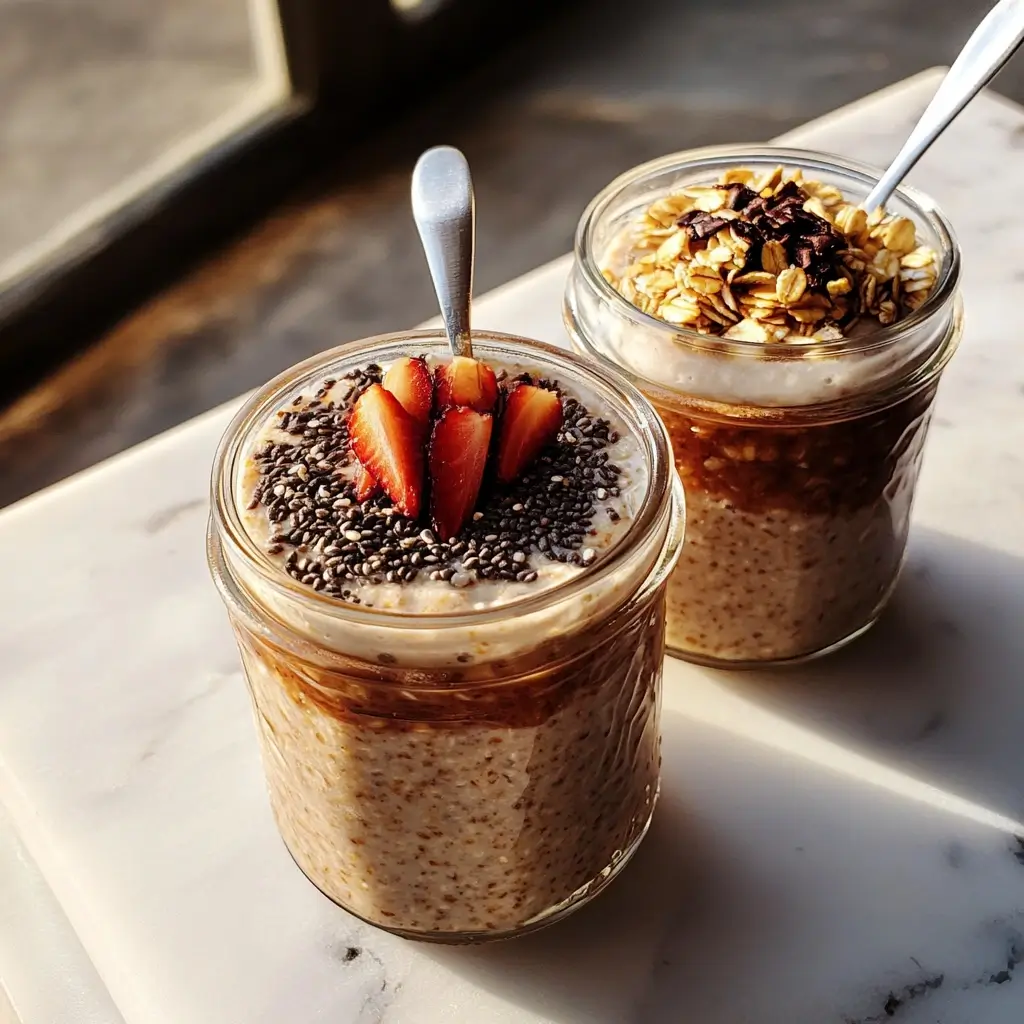
Chia seeds for weight loss work best through support, not magic. They absorb liquid, swell up, and create a gel-like texture. That can help slow digestion and increase the feeling of fullness after you eat. For someone trying to stay in a calorie deficit, that matters a lot. If I’m less hungry, I’m less likely to graze. If I graze less, my calories stay under control more easily. That’s the chain reaction. Simple, but powerful.
Another reason I like them is that they add fiber without requiring some giant meal overhaul. A tablespoon doesn’t look like much, but once soaked, it becomes way more physically present than you’d expect. That extra volume helps. It’s one of those sneaky little upgrades that makes a shake or yogurt bowl feel more substantial with very little effort.
I also love how easy they are to pair with high protein meals. That combo is where things get interesting. Protein already supports fullness and helps during fat loss because it can help preserve lean mass while dieting. Add soaked chia seeds to a protein shake, and now you’ve got both protein and fiber working together. For me, that’s one of the most useful combinations in a busy day. Not fancy. Very effective.
There’s also the texture factor, which I know can be divisive. Some people love the pudding-like texture. Some people absolutely do not. I get both sides. That’s why I often blend soaked chia seeds into something else. You still get the benefits, but the texture becomes much easier to live with. And that matters more than people admit. A method only works if you’ll keep doing it.
What I don’t want you to expect is instant weight loss just because you started eating chia seeds. That’s not how this goes. If your portions are still too big, if you’re drinking your calories mindlessly, if you’re snacking all evening, chia seeds are not going to come in like some tiny nutritional superhero and fix all of that. They’re helpful. They’re not magical. We need to keep it real.
But if you already have a basic fat loss structure in place? That’s when chia seeds can shine. They can support appetite control, reduce the urgency of hunger, and help certain meals carry you longer. Those benefits may sound small, but small things that improve consistency are usually the things that actually move the needle.
Sometimes the best weight loss foods are not the ones that “burn fat.” They’re the ones that make overeating less likely.
That’s the lens I use now. I don’t ask, “Will this food magically slim me down?” I ask, “Will this make my plan easier to stick with?” Chia seeds pass that test for me. And honestly, that’s enough.
Image Prompt: A realistic close-up of soaked chia seeds in a glass jar next to a thick vanilla protein shake, spoon resting on the counter, slight spills, natural light, visible texture, soft noise and grain, candid smartphone photo feel, homemade and imperfect, 2:3 Pinterest ratio.
The Best Way to Prepare Chia Seeds So They’re Actually Useful
If you want chia seeds to help with weight loss, preparation matters. A lot. This is not one of those ingredients where every method feels pretty much the same. How you prepare them affects texture, fullness, and honestly whether you’ll want to use them again tomorrow.
The best method I’ve found is simple: soak 1 tablespoon of chia seeds in about 1/2 cup of water for at least 10 minutes. Longer is often even better. If I’m thinking ahead, I’ll soak them overnight in the fridge. If I’m not being that organized, which is often, I’ll just let them sit while I get ready in the morning. By the time I’m back, they’ve thickened up and are ready to go.
Why soaking matters so much is that it lets the seeds fully absorb liquid before you eat them. That creates the gel texture that makes them more filling and easier to mix into drinks or meals. It also makes the whole experience way more pleasant. Dry chia seeds sprinkled into random things can feel like an afterthought. Soaked chia seeds feel intentional. Useful. Like they’re actually there to do a job.
My favorite method is to soak them first, then add them into a protein shake. Sometimes I blend them in, sometimes I stir them through depending on the texture I want. If I’m going for convenience, blended usually wins. It makes the seeds much less noticeable, and I’m way more likely to stay consistent when a method feels easy and tastes fine. Fine is underrated, by the way.
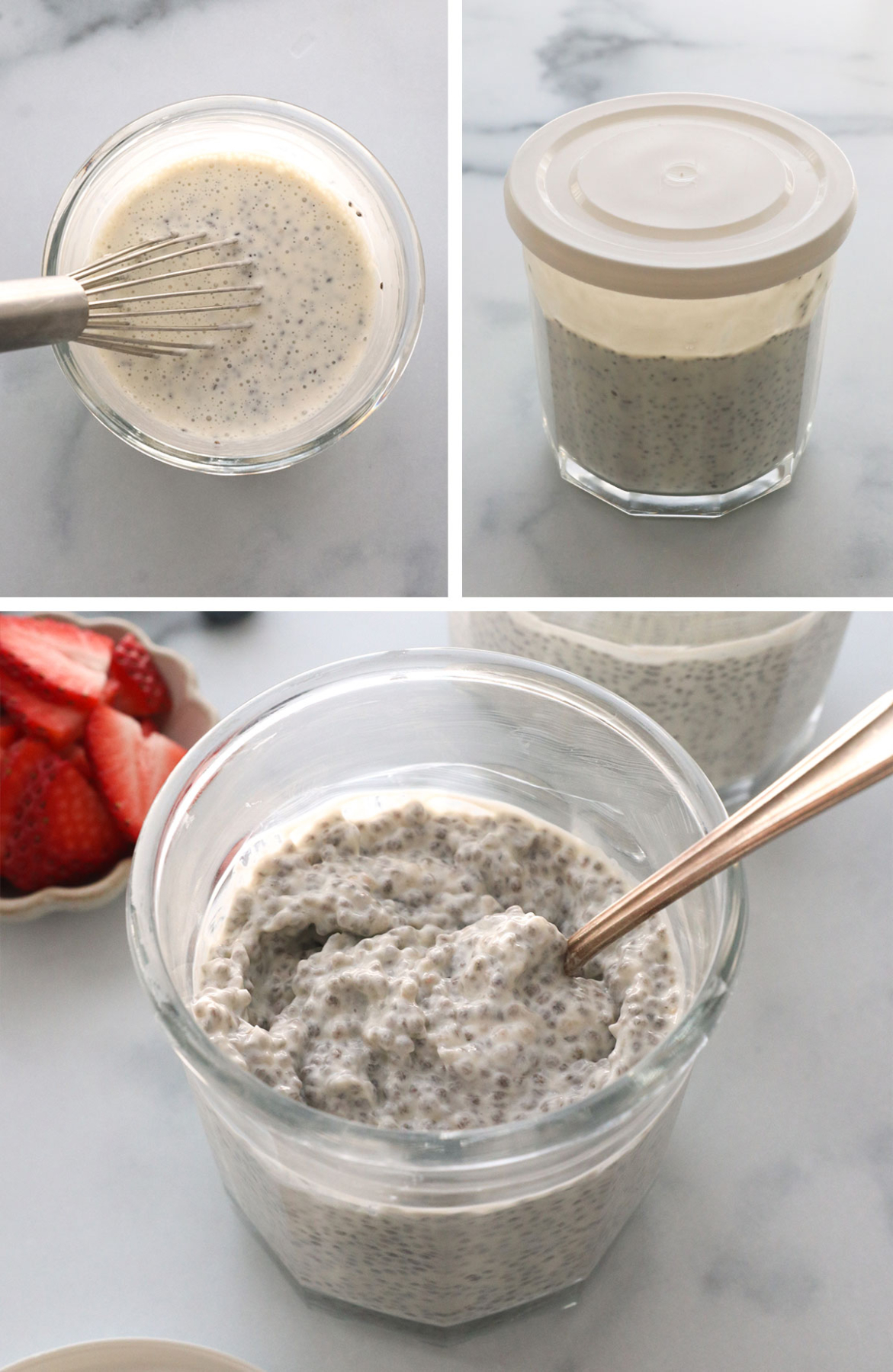
You can also stir soaked chia seeds into yogurt, overnight oats, or even a smoothie bowl. If you like the pudding texture, you can absolutely lean into that. Add cinnamon, cocoa powder, berries, vanilla, or a little sweetener and make it feel more fun. But for weight loss, I keep asking the same question: does this version help me stay full without quietly turning into dessert with a thousand extras? Because that can happen fast.
One thing I personally avoid is being too casual with portions. Chia seeds are helpful, but they still contain calories. About a tablespoon is usually my sweet spot. Enough to make a difference, not so much that I’m piling calories into meals without noticing. That balance matters, especially if you’re on the shorter side or working with a tighter calorie budget.
And while I’m all for easy habits, I would not skip the soaking step. This is the part people try to shortcut because they assume it won’t matter much. I really think it does. The whole point is to let the seeds expand before they hit your stomach, not after. It’s also just a better experience overall. More fullness. Better texture. More usable.
If you’ve tried chia seeds before and thought they were overrated, there’s a chance the prep was the issue. Not always, of course. Some people just won’t love them. But if you used them dry, barely let them sit, or tossed them into something without enough liquid, you may not have gotten the version that actually works best for satiety. And that’s frustrating, because tiny details like that can be the difference between “this helped me” and “what was the point?”
Image Prompt: A step-by-step homemade kitchen scene showing chia seeds being stirred into water in a clear glass, then thickened after soaking, slightly messy spoon, imperfect countertop crumbs, warm morning window light, casual handheld phone photography, soft shadows, realistic texture, not overly polished.
Mistakes That Make Chia Seeds Feel Overrated
I think a lot of people quit on chia seeds too early because they make one or two mistakes, decide the whole idea is overhyped, and move on. Fair enough. But a few common issues can make them way less helpful than they should be.
The first mistake is expecting them to cause weight loss on their own. I know, I know. That sounds obvious. But people still hope for it. Add chia seeds to the routine, stand on the scale, wait for a tiny nutritional miracle. When that doesn’t happen, disappointment kicks in. The truth is, chia seeds support fat loss by helping with fullness and hunger management. That’s it. Which is still valuable, but it’s not the same thing as direct fat loss.
The second mistake is using too much too fast. Since chia seeds are high in fiber, jumping from none to a huge amount can feel rough on your stomach. Not everyone has the same reaction, but easing in is smart. Start with 1 tablespoon. See how you feel. Then build up if you want to. More is not automatically better, and your digestive system may have opinions about that.
Another common problem is not drinking enough water. This one matters. Fiber-rich foods are amazing until hydration is terrible. Then suddenly the whole vibe changes. If you’re adding chia seeds to your day, you really do need to be intentional about water. It doesn’t need to be obsessive, just consistent. A good habit becomes a much better habit when the basics around it are solid.
Then there’s the “health halo” mistake. This one is sneaky. You start adding chia seeds and feel proud of yourself, which is fair because you should. But then the rest of the meal slowly turns into a calorie bomb. Nut butter, granola, extra honey, dried fruit, a handful of this, a splash of that. Suddenly the meal that was supposed to support your deficit is carrying way more energy than you meant it to. This happen more than people realise.
Texture is another thing that gets overlooked. If you hate the gelatinous feel of soaked chia, forcing yourself to eat a big chia pudding every day is probably not the answer. Blend it into a shake instead. Mix it into yogurt. Make it easier to enjoy. A “perfect” method that grosses you out is not actually perfect. It’s just annoying.
I also think timing matters more than people realize. If I’m using chia seeds for appetite control, I want them earlier in the day or before a time when I know I usually get snacky. Adding them randomly without a reason is less effective than using them strategically. When I know afternoons are my danger zone, that’s where I place them. Not because there’s some magic metabolic window. Just because that’s when I need the help.
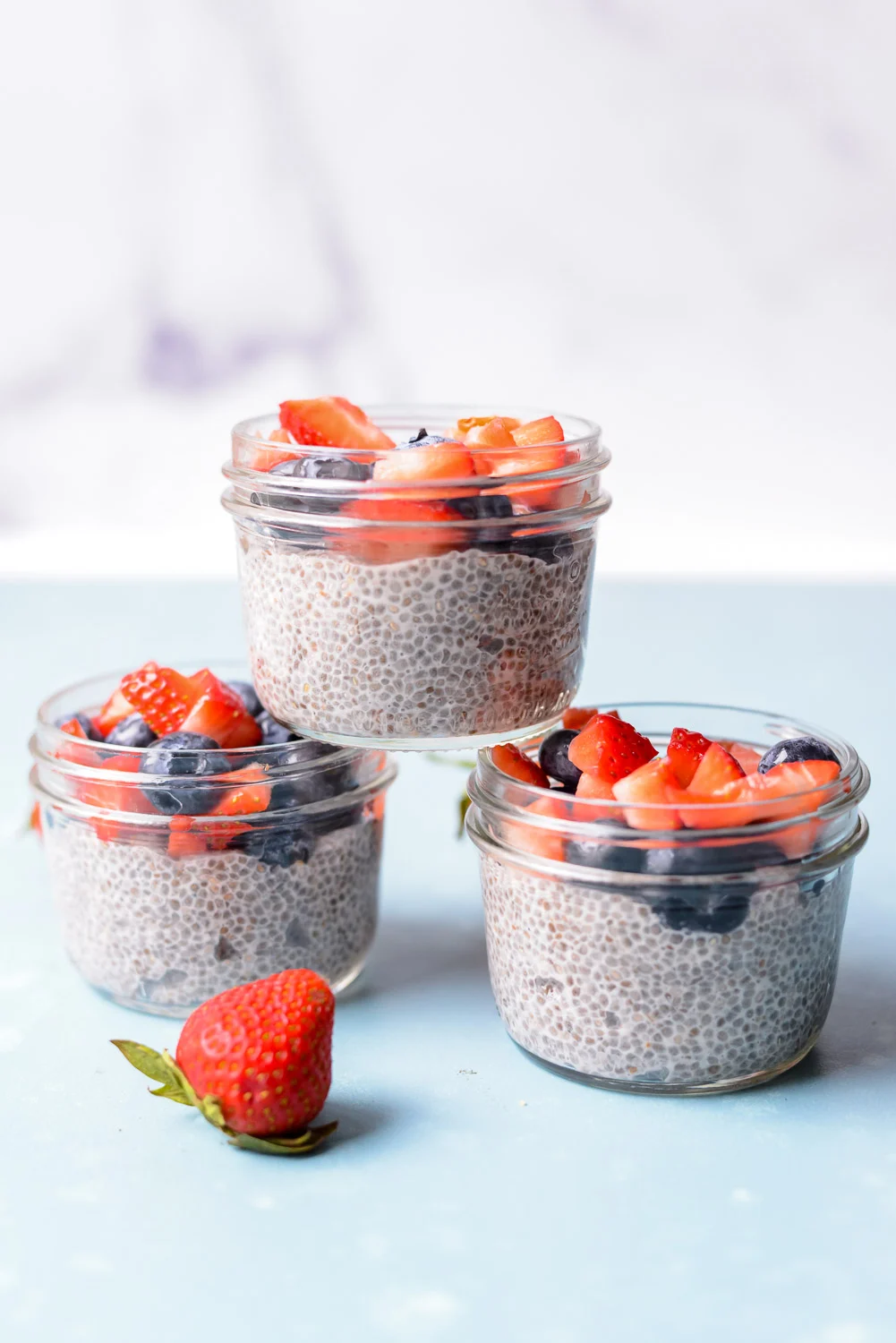
And finally, consistency beats intensity here too. A modest amount used regularly tends to be more helpful than a giant “healthy reset” that lasts three days. That’s true of almost everything in nutrition, honestly. The little things you can repeat win more often than the dramatic things you can’t.
If chia seeds felt overrated before, it might not be because they don’t work. It might be because the setup around them wasn’t doing them any favors. Fix that, and they start to make much more sense.
Image Prompt: A candid Pinterest-style image showing a chia pudding bowl with too many toppings beside a glass of water and a slightly overwhelmed handwritten meal note, natural imperfect lighting, realistic clutter, slightly tilted phone-camera angle, visible crumbs, cozy but unstyled kitchen feel.
How I Use Chia Seeds in My Real Routine Without Making It Weird
This is the part I care about most, because a food can sound amazing in theory and still be totally useless in real life. If it requires too much planning, tastes bad, or feels like one more health chore, I’m out. So I needed a routine that was low effort, repeatable, and flexible enough to fit a normal week.
Most mornings, I keep it simple. I soak 1 tablespoon of chia seeds in water while I’m getting ready, then add them to a protein shake. That shake usually becomes my breakfast or a late breakfast depending on the day. The difference in fullness is noticeable enough that I actually plan around it now. It helps me stay settled longer, which means I’m less likely to go looking for something extra out of boredom, habit, or pure breakfast insecurity.
If my afternoon tends to be snack-heavy, I’ll sometimes use another tablespoon later in the day. Not always. I don’t force it. But if I know dinner will be later or I’ve been feeling extra hungry that week, it can be a really smart addition. This is one of the biggest mindset shifts that helped me: I stopped seeing foods as “good” or “bad” and started seeing them as useful or not useful for the moment I’m in.
That’s exactly how I use chia seeds now. Not every meal. Not because I think I have to. Just as a tool when my appetite needs more support. That could look like chia in a shake, stirred into yogurt, or added to overnight oats if I want more staying power. The goal is not to make every meal a fiber event. The goal is to make the hard parts of dieting feel easier.
I also keep portions consistent. That matters because it keeps the routine predictable. I know roughly what I’m getting, how filling it will be, and how it fits into the rest of my day. There’s something very calming about that. When I’m trying to lose fat, I don’t want my meals to feel chaotic. I want them to quietly do their job.
And let me say this too: I still pay attention to the big picture. I still care about total calories, protein, and meal quality. Chia seeds are not replacing any of that. They’re helping me stick to it. That’s a big distinction, and I think it’s the reason this habit actually lasts for me. I’m not asking chia seeds to carry the whole plan. I’m just letting them make one part of it easier.
There’s also something nice about how unglamorous they are. No elaborate prep. No expensive powder. No dramatic before-and-after nonsense. Just a tiny pantry ingredient that helps me feel fuller. That simplicity is kind of refreshing, honestly.
If you’re trying to build a weight loss routine that feels realistic, this is the energy I’d bring into it. Less perfection. More usefulness. Less “what’s the fastest way?” and more “what can I actually keep doing next week?” That question changes everything.
And that’s probably the biggest reason chia seeds have stayed in my routine. Not because they’re exciting. Because they’re useful. Sometimes that’s the better kind of win.
Image Prompt: A warm, realistic morning routine image with a blender cup, jar of soaked chia seeds, protein powder tub, and a casually placed sticky note on the counter, female hand reaching into the frame, natural window light, soft grain, slightly imperfect composition, homemade lifestyle photo, Pinterest 2:3 ratio.
Wrapping Up
If you’ve made it this far, you’ve probably already figured out that I’m not here to sell chia seeds as some magical weight loss secret. That’s not my style. And honestly, most people are tired of being promised miracles by foods that can’t possibly live up to the hype. What I do think is true, though, is that chia seeds for weight loss can be surprisingly effective when you understand their actual job.
Their job is not to burn fat while you sit there and hope for the best. Their job is to make your plan easier to stick to. That’s it. They help by increasing fullness, slowing things down a little, and giving certain meals more staying power. If hunger is the thing that keeps knocking you off track, that can be a huge advantage.
I also think they work best when you keep the process boring in the best possible way. Soak them. Use a sensible portion. Pair them with protein. Drink enough water. Let them support your routine without turning them into a personality trait. That’s where the sweet spot is. Useful, repeatable, sustainable.
And I love that this approach leaves room for real life. You don’t need a perfect fridge, a perfect meal plan, or a perfect week. You just need a few habits that lower the odds of overeating and make your meals more satisfying. Chia seeds can absolutely be one of those habits. Not because they’re trendy. Because they work with the part of weight loss most people underestimate: appetite.
If I could give one piece of advice, it would be this: stop chasing foods that sound impressive and start paying attention to foods that make consistency easier. That shift matters. A lot more than most people think. Because sustainable fat loss usually comes down to the things you can keep doing when motivation drops, life gets busy, and your patience is hanging on by a thread.
That’s why I keep coming back to simple tools. Simple works. It may not feel flashy enough for the internet, but it often works better in an actual kitchen, on an actual Tuesday, when you’re trying to make choices your future self will be glad you made.
If you want another helpful read on the nutritional side of chia seeds, I’d also check out this guide to chia seed benefits and nutrition. It’s a useful extra resource if you want more background while building your own routine.
So no, chia seeds won’t do the whole job for you. But can they make the job easier? Yes. And sometimes easier is exactly what finally makes something stick.
Nothing complicated – you can do the same yourself.
Start building a simpler fat loss routine here
Key Takeaways
- Chia seeds do not directly burn fat. They work best by helping you stay full so a calorie deficit feels more manageable.
- Soaking matters. Letting chia seeds absorb liquid helps create the texture and volume that make them more satisfying.
- Pair them with protein for better results. That combination can help breakfast or snacks keep you fuller for longer.
- Small portions can still be effective. Even 1 tablespoon can make a noticeable difference in a shake or yogurt bowl.
- Hydration is essential. If you add more fiber without enough water, you may feel worse instead of better.
- Use them strategically. Place them in meals or snacks when hunger usually causes the most trouble.
- Texture preferences matter. Blending soaked chia into a shake can make them much easier to use consistently.
- Consistency beats intensity. A simple habit you repeat is more useful than a “perfect” plan you quit after three days.
Want the easy version? Tap here and make your routine feel way more doable
TL;DR: Chia seeds are best used as an appetite-support tool inside a calorie deficit. Soak them, keep portions sensible, pair them with protein, and use them where hunger usually throws you off.
Actionable Step-by-Step Checklist
Category 1: Get Ready
Task 1: Set up your chia seeds
- Take out your chia seeds, a spoon, and a glass or jar.
- Measure 1 tablespoon of chia seeds.
- Pour in 1/2 cup of water.
- Stir well so the seeds do not clump together.
- Wait at least 10 minutes so the seeds can thicken.
Image Prompt: A casual step-by-step homemade photo of a spoon measuring chia seeds over a small glass jar, slight spills on the counter, natural uneven light, visible hand movement, realistic kitchen clutter, smartphone camera look, not polished.
Category 2: Add Them to Food
Task 1: Make your breakfast more filling
- Pour your soaked chia seeds into a protein shake.
- Blend if you want the texture smoother.
- Drink it slowly and notice how long you stay full.
- Write down the time you ate and the time you got hungry again.
Task 2: Try another easy option
- Stir soaked chia seeds into yogurt or overnight oats.
- Add fruit if you want more flavor.
- Keep toppings simple so calories do not climb too fast.
Image Prompt: A realistic Pinterest image of yogurt with soaked chia stirred in, berries on top, slightly uneven spoon marks, messy napkin, natural daylight, handheld imperfect phone angle, soft blur edges, cozy home kitchen style.
Category 3: Use Them for Appetite Control
Task 1: Place them where hunger hits hardest
- Think about when you usually start snacking too much.
- Choose that time for your chia meal or drink.
- Keep using the same time for a few days.
- See if your cravings feel lower.
Task 2: Keep it realistic
- Do not try to use chia seeds in every meal.
- Pick one or two times a day at most.
- Stay with the method that feels easiest to repeat.
Image Prompt: A cozy afternoon kitchen scene with a mini protein shake, jar of soaked chia, and handwritten note saying “less snacking,” natural side light, slightly cluttered surface, visible imperfections, homemade and human feel, realistic smartphone photo.
Category 4: Avoid Common Problems
Task 1: Start slow
- Begin with just 1 tablespoon a day.
- Wait and see how your stomach feels.
- Only increase if your body feels okay.
Task 2: Drink enough water
- Keep a water bottle near you during the day.
- Take sips often instead of waiting until you feel thirsty.
- Make water part of the habit, not an afterthought.
Task 3: Keep your big goal in mind
- Remember that chia seeds support your plan.
- They do not replace your calorie deficit.
- Use them to make your meals more filling, not to ignore everything else.
Image Prompt: A realistic home photo of a water bottle, jar of soaked chia seeds, and a simple meal planner on a counter, soft natural shadows, slight clutter, visible grain and everyday imperfections, warm neutral colors, casual lifestyle shot.
