
Introduction
If you’ve been searching for the best way to soak chia seeds, chances are you’ve seen a hundred versions of the same advice. Add one or two tablespoons to liquid. Wait. Stir again. Drink or spoon it up. Simple, right? Yes… but not exactly. That basic advice skips over the part that actually matters: what happens next inside your body. That’s where this gets interesting, and honestly, way more useful.
I started paying attention to this after noticing how different chia seeds felt depending on how I had them. In water, they felt light and clean, but sometimes left me weirdly unsatisfied. In milk, they were creamier and more filling. In yogurt, they felt like a real breakfast that actually held me over. Same seeds. Totally different experience. That made me ask the question I should have asked sooner: if the texture changes that much, doesn’t the effect probably change too?
It turns out the answer is yes. Chia seeds are packed with soluble fiber, plant-based Omega-3s, complete protein, magnesium, and zinc, but depending on how you combine them, your body may absorb far less than you think.
Best chia pudding jars for beginners
One of the strongest lines that really stuck with me: nutrient absorption can range dramatically based on preparation. That’s not some tiny nutrition nerd detail. That’s the whole game. Because if you’re using chia seeds for gut health, satiety, flat tummy goals, energy, or better digestion, then how you soak chia seeds overnight matters a lot more than the internet usually makes it sound.
That’s why in this article I’m breaking down the real differences between chia seeds in water, chia seeds in milk, and chia seeds in yogurt. I’m going to show you what each method does well, where it falls short, and how to match the method to your actual goal. Want better bowel regularity? There’s a best way. Want stronger satiety and better Omega-3 absorption? There’s a better way for that too. Want something more gut-friendly and probiotic-rich? Yep, that has its own method as well.
I’m also sharing a simple 7-day experiment you can try for yourself, because sometimes your body tells you more than a fancy headline ever will. Some people do amazing with chia water. Some feel better with yogurt. Some need to start slower than they think. There is no one-size-fits-all answer, and that’s part of what makes this topic so useful. It gets personal fast.
So if you’ve been throwing chia seeds into whatever’s nearby and hoping for the best, stay with me. I’m going to walk through the hidden problem with basic chia advice, the pros and cons of each soaking method, and the smartest way to test what actually works for your digestion, energy, and daily routine. Because once I understood this, I never looked at my “healthy breakfast” the same way again. And maybe you won’t either.
Homemade Image Prompt: A slightly messy kitchen counter with three small jars labeled water, milk, and yogurt chia. Natural uneven morning window light, a spoon left on the side, a few chia seeds scattered across the counter, soft shadows, casual smartphone photo style, slightly off-center composition, realistic grain, imperfect homemade breakfast scene.
The Hidden Problem with Chia Seeds Most People Miss
Here’s the problem: most advice about chia seeds is technically correct, but way too shallow. Yes, chia seeds are nutrient-dense. Yes, they contain fiber, Omega-3 fatty acids, protein, magnesium, and zinc. Yes, soaking them makes them easier to eat. But that doesn’t tell you whether your body is actually getting the most from them. And that gap between “healthy in theory” and “helpful in practice” is where a lot of people get frustrated.
Chia seeds are incredibly nutrient dense, but depending on preparation and pairing, the body may absorb as little as 40% or as much as 90% of some nutrients. That’s huge. It means the way you eat chia seeds isn’t some tiny optional tweak. It can completely change the outcome. I think that surprises a lot of people because chia has this “superfood halo.” Once something gets labeled healthy, we stop questioning the method.
But method is everything. Chia contains fat-soluble nutrients, especially plant-based Omega-3s, and those nutrients need the right environment to be used efficiently. If you’re only soaking chia seeds in plain water, you may get the fiber benefits but miss part of the absorption upside. If you pair chia with milk or yogurt, you introduce fats and proteins that can support a more complete nutrition profile. That’s where the real conversation begins.
There’s also the digestion piece, which people seriously underestimate. The gel-like layer around soaked chia seeds comes from soluble fiber called mucilage. This gel can be helpful. It slows sugar absorption, supports bowel regularity, and may help soothe the digestive tract. Sounds great. But if you have sensitive digestion, low stomach acid, or you jump in too fast with a huge serving, that same gel can feel heavy, bloating, or just… a bit much. I’ve seen this happen so often with “healthy habits.” People do the right food in the wrong amount, at the wrong time, for the wrong body, and then decide the food itself is the problem.
“Water alone doesn’t unlock the full potential of chia seeds. It helps with hydration, digestion, and elimination, but it’s not ideal for nutrient absorption.”
That insight reframes the entire topic. Chia isn’t just a yes-or-no food. It’s a tool. And tools work better when you use them properly. If your goal is appetite control, soaking chia seeds in water before meals might actually be brilliant. If your goal is improved nutrient absorption and a more satisfying breakfast, milk may beat water every time. If your goal is gut health and digestive support, yogurt may be the standout option.
Another hidden issue is that people often copy recipes without thinking about context. Someone sees “chia seeds for flat tummy” and starts using four tablespoons a day. Someone else hears that chia reduces hunger and drinks it dry-ish or not fully soaked. Somebody adds it to sugary yogurt or heavily sweetened almond milk and then wonders why it doesn’t feel healthy. The internet makes everything look clean and easy. Real digestion isn’t like that. It’s more personal, more nuanced, and a little less photogenic.
So before we even compare water, milk, and yogurt, this is the first thing I want you to take away: the best way to soak chia seeds depends on what you want them to do for you. That’s the filter. Not trends. Not aesthetics. Not the prettiest jar on Pinterest. Your goal comes first. Once I started looking at chia this way, it made a lot more sense.
The biggest mistake is assuming all chia routines deliver the same results when absorption, digestion, and fullness change depending on what chia is soaked in.
Homemade Image Prompt: Close-up of a spoon lifting thick soaked chia seeds from a plain glass jar, with a second blurred jar in the background, uneven natural light, slight motion blur, tiny spills on the counter, realistic smartphone grain, homemade and imperfect food photography look.
Chia Seeds in Water: The Best for Simplicity, Hydration, and Appetite Support?
Let’s start with the version almost everyone knows: chia seeds in water. This is the classic, the minimalist one, the method that screams “I’m being healthy before 9 a.m.” And to be fair, it has real benefits. When chia seeds soak in water for 15 to 30 minutes, they swell and develop that gel coating from the mucilage. That gel is a big part of why chia gets recommended for digestion and satiety.
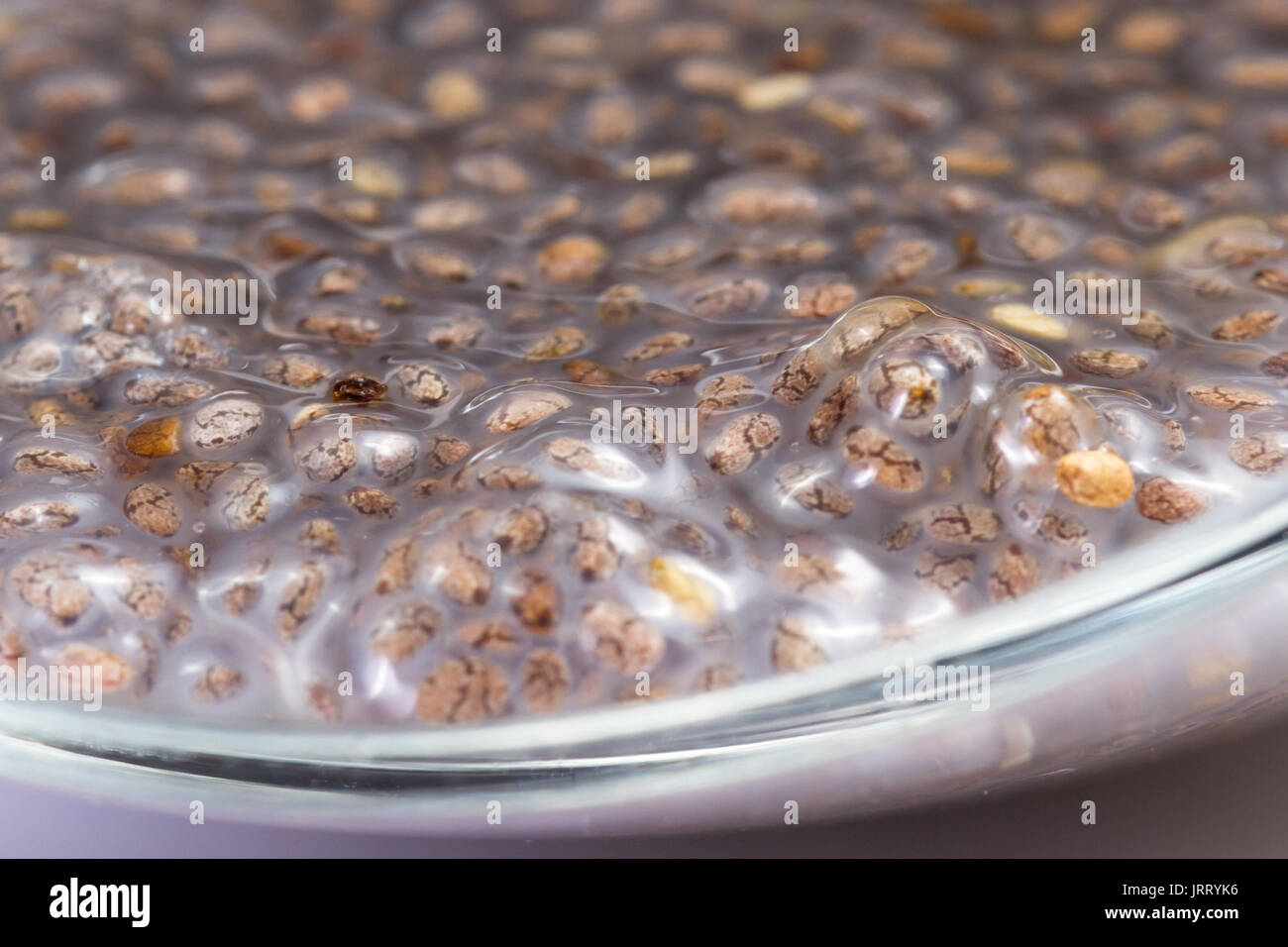
The gel slows down the absorption of sugar, which may help flatten post-meal glucose spikes. It also supports the movement of food through the intestines, which can be helpful for regularity. For people dealing with constipation, especially older adults, this is one of the most practical benefits. It can also feel soothing, especially when digestion has been sluggish or a bit irritated. So yes, chia water absolutely has a place.
I actually think this method shines most when the goal is not “maximum nutrition in one glass” but “gentle support.” If you’re trying to feel fuller before a meal, manage cravings, or help your system stay regular, chia water can work beautifully. Taking it around 30 minutes before eating, and that makes sense. It gives the chia time to swell, helps create fullness, and may make it easier to eat less at the meal that follows. That’s a simple habit with a very real payoff.
But here’s the catch. And it’s an important one. Water does not provide fat, protein, or digestive enzymes. So while chia in water may help with hydration, fullness, and bowel motility, it is not the strongest option for maximizing fat-soluble nutrient absorption. In plain English: you may be doing great for fiber, but not getting the full advantage of those Omega-3s. If you’ve been using chia water as your main reason for “getting all the nutrients,” that may be where the disappointment starts.
There’s also a comfort issue. If the chia isn’t fully soaked, the seeds may continue absorbing liquid in the stomach, which can feel uncomfortable. If the water is very cold, or if you drink it too close to a large meal, it may feel heavy for some people. Timing matters because taking it too close to meals may dilute stomach acid, which isn’t ideal for digestion. These details are easy to skip, but they do matter.
So how do I think about chia water now? As a strategic tool. Not a miracle drink. Not a one-size-fits-all nutrition hack. Just a really useful option for specific goals.
How to Use Chia Water the Smart Way
If you want to try this method, keep it simple:
- Use 1 to 2 tablespoons of chia seeds.
- Mix with about 250 to 300 ml of water.
- Stir well, wait a minute, stir again.
- Let it sit for 15 to 30 minutes until fully gelled.
- Drink it about 30 minutes before a meal if your goal is fullness or appetite support.
If you have a sensitive stomach, start smaller. One teaspoon is not glamorous, but it’s smart. That’s one of those little things people dont like hearing, but it saves a lot of discomfort later. And if your main goal is nutrient absorption, pair that chia-water habit with a later meal that includes healthy fats.
Chia seeds in water are best for hydration, regularity, and fullness, but they’re not the strongest option for Omega-3 absorption or a complete breakfast.
Homemade Image Prompt: A glass jar of chia water on a breakfast table beside a handwritten note and a half-cut lemon, slightly cloudy natural morning light, jar not perfectly centered, a few droplets on the glass, a casually used spoon nearby, realistic homemade kitchen setting with mild clutter.
Chia Seeds in Milk: Better Absorption, Better Texture, Better Breakfast?
If chia water is the functional minimalist choice, chia seeds soaked in milk are the more satisfying upgrade. This is the version that feels like breakfast, not a wellness dare. The texture is creamier, the flavor is softer, and from a nutrition perspective, the pairing starts making a lot more sense. When you combine chia with milk, whether that’s dairy milk, almond milk, or coconut milk, you’re not just hydrating the seeds. You’re changing the absorption environment.
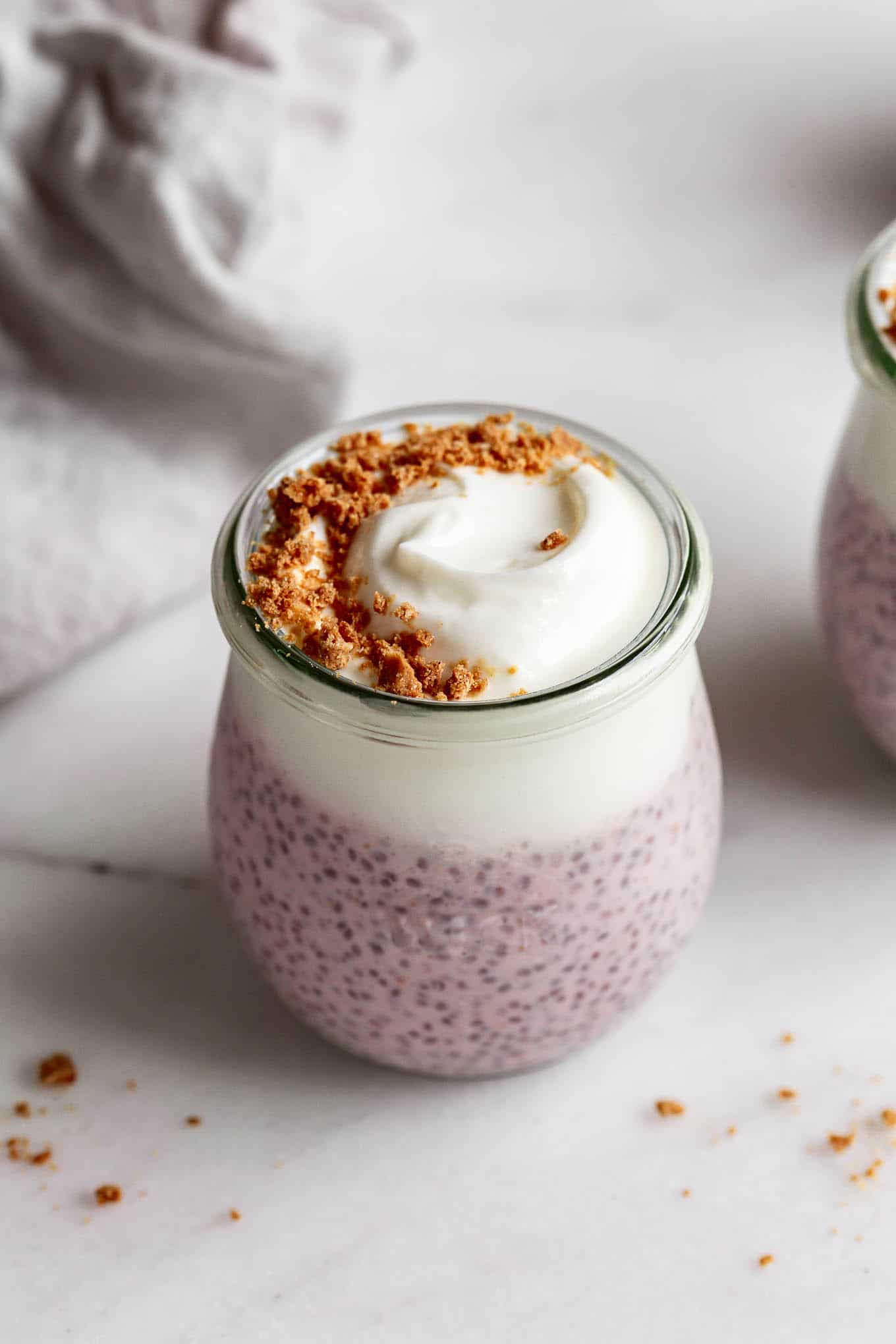
That matters because, as the transcript points out, healthy fats help the body absorb fat-soluble compounds like ALA, the plant-based Omega-3 found in chia seeds. Water can’t do that. Milk can. That single difference gives milk a real advantage if your goal is to get more from the nutrients already inside the seeds. Add to that the extra protein and, in the case of dairy milk, calcium, and suddenly chia becomes part of a more complete meal.
I think this method makes a lot of sense for people who want energy that lasts longer and a breakfast that feels substantial. If you’ve ever had chia water and then found yourself hungry an hour later, this is probably why chia pudding made with milk feels so much better. The combination of fiber, fat, and protein slows everything down in a good way. You feel fed, not just “healthy.” There’s a difference.
Muscle recovery and healthy aging, especially with dairy milk. Chia already brings a decent protein profile to the table, but combining it with milk improves the overall meal value. For someone trying to support lean muscle, stay full longer, or avoid a blood-sugar rollercoaster, that’s a meaningful benefit.
But not all milk works the same. This is where the dreamy Pinterest version and the real-life digestive version can split apart fast. Cow’s milk can be a problem for people with lactose intolerance or age-related declines in lactase production. In other words, something that felt fine years ago may suddenly feel bloating now. And plant-based milks are not automatically better if they’re packed with gums, preservatives, and added sugars. Choose unsweetened versions with short ingredient lists whenever possible.
“Not all milks are created equal. Always look for versions labeled unsweetened and check that the ingredient list is short and clean.”
That is such a useful filter. Because if you’re using chia seeds for digestion, loading them into a heavily sweetened flavored milk kind of defeats the point. It looks healthy. It photographs beautifully. It may not feel good in your body. I’ve made that mistake before, and wow, it was not subtle.
Soaking time matters too. Chia in milk is often prepped overnight, but the transcript warns against letting it go too long, especially if it isn’t refrigerated properly. The sweet spot is usually within 12 to 18 hours for best texture and freshness. Beyond that, fermentation can start to creep in and the taste can go sour. Not dangerous every time, but definitely not ideal.
How to Use Chia Milk the Smart Way
- Use 1 to 2 tablespoons of chia seeds.
- Add around 1/2 to 3/4 cup of milk.
- Choose unsweetened almond, coconut, lactose-free dairy, or another tolerated option.
- Stir thoroughly and refrigerate.
- Let it sit overnight or at least a few hours.
- Eat within 12 to 18 hours for the best texture and freshness.
If you want, add cinnamon, vanilla, or berries. Keep it simple. Keep it clean. This method is richer, more flexible, and for many people, more enjoyable. And honestly, when something feels good to eat, you’re more likely to keep doing it. That matters more than people admit.
Chia seeds in milk improve texture, satiety, and fat-soluble nutrient absorption, making them a stronger breakfast option for many people than plain chia water.
Homemade Image Prompt: A small mason jar of chia pudding made with milk, topped with a little cinnamon and a few uneven berry pieces, soft side window light, slightly messy spoon mark on top, rustic wooden surface, imperfect framing, casual smartphone photo with soft blur at the edges.
Chia Seeds in Yogurt: The Gut Health Combo That Feels Like a Secret
If I had to pick the most underrated way to use chia seeds, it would be chia in yogurt. This is the one that quietly does a lot. It’s filling, easy, genuinely tasty, and according to the transcript, especially valuable for gut health. Once you understand why, it stops feeling like a random breakfast trend and starts looking like a very smart combination.
Yogurt brings probiotics to the table. Chia brings soluble fiber that can act like a prebiotic. Put those together, and you’ve got a pairing that supports the gut microbiome from both sides. That’s a big deal. As we age, digestive enzymes can decline, stomach acid can weaken, and gut flora diversity may drop. Even if you’re not over 50, modern life is not exactly gentle on the gut. Stress, antibiotics, poor sleep, and processed food all have a way of showing up in digestion. So a breakfast that supports the gut instead of fighting it? That’s worth paying attention to.
I also think this method wins on practicality. Chia in yogurt doesn’t feel watery or slippery in the same way chia water can. It feels like food. Real food. The kind that makes it easier to stay consistent because you actually want to eat it. And consistency matters more than occasional perfection. A “best method” is useless if you can’t stand it.
I recommend plain unsweetened Greek yogurt, which makes sense. It’s thicker, higher in protein, and often lower in lactose than regular yogurt. That combination supports fullness and can be gentler for some people. The advice to briefly pre-soak the chia for five to ten minutes before mixing into yogurt is also smart. It helps activate the outer gel layer so the seeds are easier to digest and less likely to expand too aggressively later.
What I really like about this method is how balanced it feels. You’re getting healthy fats, protein, gut-friendly cultures, and the fiber benefits of chia in one bowl. Add a few blueberries or a little ripe banana, and it becomes even more supportive.
Blueberries bring antioxidants and polyphenols. Banana adds gentle sweetness and prebiotic fibers. Just keep the toppings sensible. Avoid sugary granola and processed extras, and yes, that warning is deserved. It’s so easy to turn a functional breakfast into dessert with a health halo.
“You’re not just feeding your body, you’re creating the ideal environment for your body to use what you eat.”
That line gets to the heart of why chia and yogurt work so well together. Nutrition isn’t just about what’s in the bowl. It’s about whether your body can actually use it. That’s why I think chia yogurt works especially well for people who care about digestion, regularity, immunity, and steady energy. It’s not flashy. It just works.
Of course, dairy isn’t for everyone. If yogurt causes congestion, skin flare-ups, stomach upset, or just never feels right, then a live-culture coconut or almond milk yogurt may be a better fit. It’s not exactly the same, but it can still give you some of the same functional advantages. The point is not to force dairy. The point is to find the version your body responds to best.
How to Use Chia Yogurt the Smart Way
- Pre-soak 1 to 2 tablespoons of chia seeds in a small amount of water for 5 to 10 minutes.
- Stir them into plain unsweetened Greek yogurt or a live-culture dairy-free yogurt.
- Add a few blueberries, sliced banana, or cinnamon if desired.
- Eat in the morning or early afternoon for the best digestion support.

This is the method I’d choose when I want my breakfast to do more than just fill space. It feels gentle, supportive, and surprisingly satisfying. Kinda boring to look at in plain form, maybe. But effective. Very.
Chia seeds in yogurt may be the best option for gut health because they combine fiber, healthy fats, protein, and probiotics in one easy meal.
Homemade Image Prompt: A bowl of plain Greek yogurt mixed with chia seeds and topped with a few uneven blueberries, a soft female hand holding a spoon mid-scoop, natural side lighting, slight blur in the background, a few drips on the bowl edge, homemade breakfast vibe with casual imperfections.
Which Chia Method Should You Choose? Here’s How I’d Decide
This is where everything gets easier. Once you stop asking, “What is the one best way to soak chia seeds?” and start asking, “What do I want chia to do for me?” the answer becomes much more obvious. Different methods solve different problems. That’s the real takeaway.
If your main goal is fullness, appetite control, or helping your digestion feel a bit more regular, I’d start with chia seeds in water. It’s simple, low-effort, and useful before meals. It’s not the best for nutrient synergy, but it can be incredibly effective for the person who needs something light and functional. This works especially well if you often feel snacky mid-morning or tend to eat too fast at lunch.
If your goal is better nutrient absorption, a more balanced breakfast, and something that actually feels satisfying, I’d look at chia seeds in milk next. This method is ideal when you want the fiber of chia plus the support of healthy fats and protein. It’s also the most “meal-like” option if you enjoy overnight chia puddings and want something Pinterest-pretty without completely sacrificing function.
If your goal is gut support, better regularity, and a breakfast that feels the most complete, yogurt is probably the strongest contender. This method offers that prebiotic-plus-probiotic effect that the transcript highlights so well. For many people, it’s the sweet spot between functional and enjoyable. Not perfect for everyone, but very strong for the right person.
And then there’s the most honest answer of all: test them. Truly. Because even the smartest advice on paper still has to pass the “how do I actually feel?” test. Do you feel light and focused after chia water, or just hungry? Does chia milk keep you satisfied or leave you bloated? Does yogurt feel soothing or too heavy? You won’t always know from theory alone.
I love the suggestion of trying all three over the course of a week and paying attention to digestion, energy, and even sleep. That is smart, grounded, useful advice. No drama. No rigid rules. Just observation. That’s how you build a routine that lasts. Not by copying someone else’s “perfect morning.”
There are also safety notes worth respecting. If you have IBS, gastritis, or a very sensitive gut, starting with a smaller amount is wise. If you take blood-thinning medication, talk to your doctor before making chia a daily habit because of the Omega-3 content. And always, always hydrate properly. Chia absorbs a lot of liquid. Skipping water and then blaming the chia when you feel backed up is… not exactly fair.
So here’s the cheat sheet I wish more people gave:
- Choose water for hydration, fullness, and bowel support.
- Choose milk for better Omega-3 absorption, energy, and satiety.
- Choose yogurt for gut health, protein, probiotics, and a more complete breakfast.
If you want deeper evidence-based nutrition reading, I’d also suggest browsing this guide to chia seed benefits and nutrition for more background. It’s useful when you want the science side without drowning in jargon.
At the end of the day, the best chia routine is the one that helps you feel better, not just the one that looks healthiest online. That’s the part worth remembering.
Pick your chia method based on your real goal—water for fullness, milk for absorption, yogurt for gut health—and then test what your own body responds to best.
Homemade Image Prompt: Three breakfast setups side by side on a slightly cluttered counter: chia water in a glass, chia pudding in a jar, and chia yogurt in a bowl, natural morning light, soft shadows, scattered berries and chia seeds, realistic homemade styling, casual phone photography look, slightly imperfect composition.
A Simple 7-Day Chia Experiment You Can Actually Stick To
If you’re still unsure which method is best for you, don’t overthink it. Test it. That’s what I would do, and honestly, it’s what I think works best here. Not because science doesn’t matter. It does. But because your body’s response matters too. A simple 7-day chia experiment can tell you more than endlessly reading conflicting advice.
The goal is not perfection. The goal is awareness. You’re looking for patterns. Are you more regular? Less bloated? Fuller for longer? More energetic? More comfortable? This is useful information, and it only takes a week to spot some early clues.
My Easy 7-Day Test Plan
Days 1 and 2: Try chia seeds in water. Use 1 tablespoon at first if you’re new to it. Drink it about 30 minutes before breakfast or lunch and notice whether it affects fullness, digestion, or cravings.
Days 3 and 4: Switch to chia seeds in milk. Make a simple overnight chia pudding with an unsweetened milk you tolerate well. Eat it as breakfast and pay attention to satiety, comfort, and energy.
Days 5 and 6: Try chia in plain unsweetened yogurt. Add berries if you like. Notice digestion, regularity, and whether this feels more balanced or gentle.
Day 7: Compare notes. Which method left you feeling best? Which felt easiest to stick with? Which one would you actually want to repeat next week?
You don’t need a complicated tracker. A few notes on your phone are enough:
- How full did I feel afterward?
- Did I feel bloated or comfortable?
- How was my digestion later in the day?
- Did my energy stay steady?
- Would I genuinely eat this again?
I love this approach because it removes the pressure to get everything “right” instantly. It also helps you stop chasing generic health advice and start noticing your own patterns. That’s how better habits actually stick. Not through guilt. Not through food rules. Through clarity.
And please keep your portions sensible while you test. One to two tablespoons is enough. More is not better, especially at first. Give your body room to respond without overwhelming it. That part seems obvious, but people skip it all the time and then wonder why things went sideways. I mean, I get the enthusiasm, but still.
If you want the easiest version of success, prep each method simply. Don’t add ten variables at once. Don’t change the chia, the milk, the fruit, the sweetener, and the timing all together or you won’t know what actually helped. Keep the test clean. Keep it honest. Keep it doable.
Because when you do, the right chia routine becomes surprisingly obvious. And once that clicks, your breakfast routine starts feeling less like guesswork and more like something built for you.
A 7-day chia experiment helps you compare water, milk, and yogurt side by side so you can choose the method that actually fits your digestion, energy, and routine.
Homemade Image Prompt: A handwritten 7-day chia test checklist on a kitchen table beside three breakfast jars, casual natural light, imperfect pen marks, slightly wrinkled paper, soft focus background, crumbs and a spoon nearby, warm homemade lifestyle photography.
Wrapping Up
So, what’s the best way to soak chia seeds? After digging through and looking at how each method affects digestion, satiety, and nutrient absorption, I really don’t think there’s one universal winner. And honestly, that’s what makes this so useful. You don’t need a perfect answer. You need the right answer for your goal.
If you want a simple method that supports hydration, gut motility, and appetite control, chia seeds in water are a strong place to start. If you want a richer breakfast with better fat-soluble nutrient absorption, chia seeds in milk make a lot of sense. And if you want the most supportive combination for gut health, probiotics, and daily consistency, chia in yogurt may be the standout choice. Each method has a job. Each one solves a slightly different problem. That’s the whole point.
What I love most about this topic is that it sounds tiny, but it changes the entire feel of your morning routine. One small switch, different results. Better fullness. Better comfort. Better consistency. Maybe even a breakfast you actually enjoy instead of tolerate. That matters more than people think it does. Health habits last longer when they feel good in real life.
Observe your body. Don’t blindly copy what sounds healthy online. Pay attention to how you feel. That’s good advice whether you’re trying to support your gut, stay fuller longer, improve regularity, or simply make your breakfast work a little harder for you. The smartest routine is not the trendiest one. It’s the one that helps you feel more like yourself.

If I had to give you the shortest possible version, it would be this. Use water when you want lightness and appetite support. Use milk when you want more satiety and better nutrient synergy. Use yogurt when you want digestive support and a breakfast that feels complete. Then test, notice, and adjust. It’s simple. Not always glamorous, but simple.
And that’s why I think this matters so much for readers too. People are not just looking for pretty chia pudding jars. They’re looking for solutions. They want a flat tummy routine that doesn’t feel miserable. They want better digestion without turning breakfast into a chemistry project. They want energy that lasts. They want to know why one healthy habit works for someone else and not for them. This article answers that question in a way that’s practical, not preachy.
So whether you start with a spoonful of chia in water, a creamy overnight chia pudding, or a bowl of Greek yogurt with a little pre-soaked chia mixed in, the biggest win is this: now you know what to look for. You’re not guessing anymore. You’re choosing on purpose. And that changes everything a bit, doesnt it?
Try one method this week. Then another. Keep it simple. Notice your digestion, energy, and fullness. Your best chia routine probably isn’t far away. It may just be hiding behind the wrong liquid.
Nothing complicated – you can do the same yourself.
Key Takeaways
- How you soak chia seeds changes the result. The liquid you use affects digestion, fullness, and how efficiently your body can absorb key nutrients.
- Chia water works best for appetite and regularity. It’s a simple option for hydration, bowel support, and feeling fuller before meals.
- Chia in milk supports better nutrient absorption. Healthy fats and protein help make Omega-3s and breakfast satiety more effective.
- Chia in yogurt may be best for gut health. This pairing combines fiber and probiotics in a way that supports digestion and consistency.
- Not every milk or yogurt is a good choice. Unsweetened, clean-ingredient options are usually better for comfort and long-term results.
- Timing matters more than people realize. Chia water before meals and chia yogurt or milk in the morning can feel very different in the body.
- Starting small is often smarter. One to two tablespoons is enough for most people, especially when you’re testing tolerance.
- Hydration is non-negotiable. Chia absorbs a lot of liquid, so drinking extra water helps avoid discomfort and constipation.
- Your body’s feedback matters. The best chia routine is the one that improves your digestion, energy, and consistency in real life.
- Testing beats guessing. A simple week-long comparison can show you which method fits your goals best.
Water, milk, and yogurt each change how chia seeds work, so choosing the right base can make your breakfast more effective, satisfying, and easier on digestion.
Actionable Step-by-Step Checklist
Category 1: Pick Your Goal
Task 1: Decide what you want chia seeds to do
- Say your goal out loud: “I want better digestion,” or “I want to feel fuller,” or “I want a better breakfast.”
- Write that goal in your phone notes or on paper.
- Choose one main goal first so you don’t get confused.
Homemade Image Prompt: A sticky note on a fridge that says “My chia goal this week,” casual kitchen setting, natural light, slightly crooked note, realistic home environment, soft blur background.
Category 2: Make the Right Chia Base
Task 1: Make chia water
- Put 1 to 2 tablespoons of chia seeds into a glass.
- Pour in 250 to 300 ml of water.
- Stir well.
- Wait 15 to 30 minutes.
- Drink it before a meal if you want help feeling full.
Homemade Image Prompt: A clear drinking glass with chia seeds soaking in water, spoon resting inside, morning light, slightly messy countertop, natural homemade look, smartphone photo style.
Task 2: Make chia milk pudding
- Put 1 to 2 tablespoons of chia seeds in a jar.
- Add unsweetened milk.
- Stir really well so the seeds do not clump.
- Put the jar in the fridge.
- Eat it later the same day or the next morning.
Homemade Image Prompt: A mason jar of chia pudding in the fridge door, slightly tilted shot, uneven fridge light, homemade and imperfect, visible texture and realistic grain.
Task 3: Make chia yogurt
- Soak 1 to 2 tablespoons of chia seeds in a little water for 5 to 10 minutes.
- Scoop plain yogurt into a bowl.
- Mix in the chia seeds.
- Add a few berries if you want.
- Eat it in the morning or early afternoon.
Homemade Image Prompt: A breakfast bowl with yogurt and chia seeds being mixed by hand, slight blur from movement, natural kitchen lighting, a few berries dropped on the table, imperfect homemade breakfast feel.
Category 3: Watch How Your Body Feels
Task 1: Keep simple notes for 7 days
- After eating, ask: “Do I feel full?”
- Later, ask: “Does my stomach feel calm?”
- At the end of the day, ask: “Did this help me?”
- Write one short sentence each day.
Homemade Image Prompt: A phone notes app open beside a breakfast bowl and spoon, warm morning light, realistic fingerprints on screen, casual lifestyle shot, slightly cluttered home table.
Category 4: Stay Comfortable and Safe
Task 1: Start slow and drink extra water
- Begin with 1 tablespoon if you are unsure.
- Drink an extra glass of water after eating chia seeds.
- If your stomach feels weird, use less next time.
- If you take medication or have gut issues, ask a doctor first.
Homemade Image Prompt: A simple breakfast setting with a glass of water next to a chia bowl, soft daylight, slightly off-center framing, realistic home kitchen details, authentic imperfect styling.