
Stop Guessing—You Might Be Eating Chia Seeds Completely Wrong
I used to think I was doing everything right. Every morning, I’d spoon chia seeds into whatever I had—milk, yogurt, smoothies—feeling like I was ticking the “healthy” box. But something felt off. No real energy boost. No noticeable gut improvement. Just… average. Then I stumbled across a simple question that completely changed how I saw it: what if it’s not about eating chia seeds… but how you eat them?
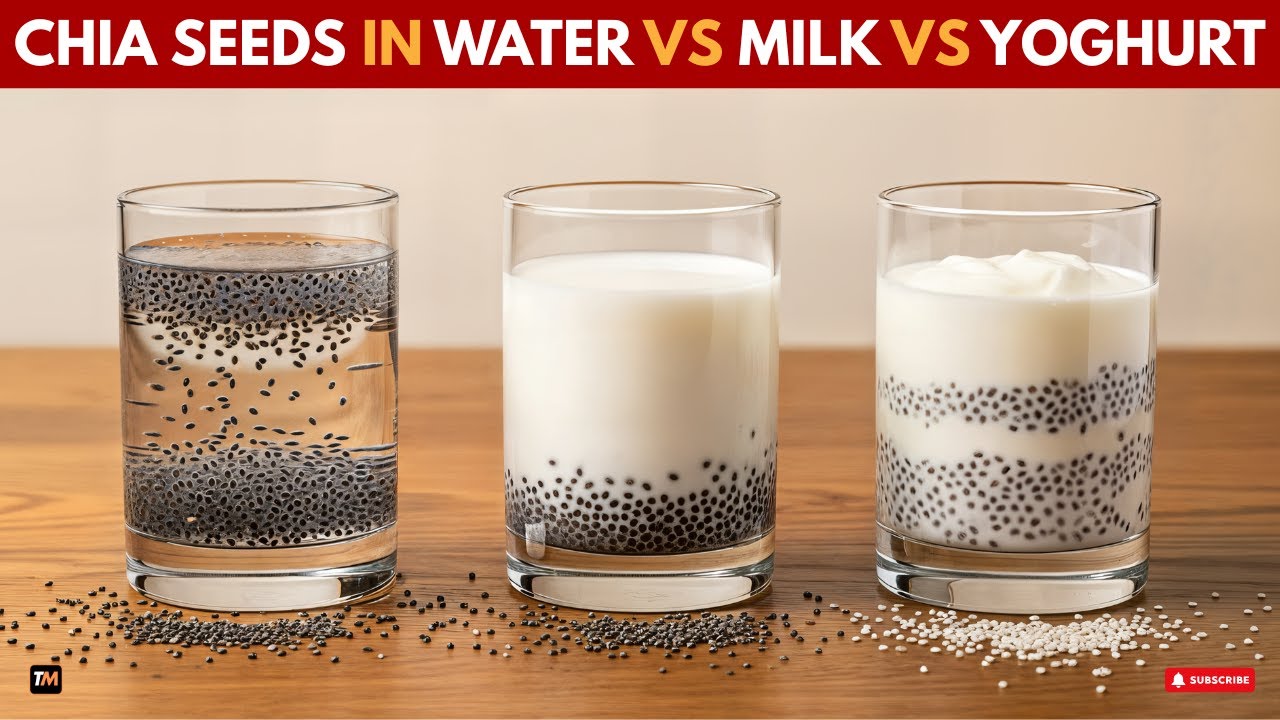
That one shift exposed a mistake most people are making without even realizing it. Because here’s the truth—chia seeds don’t just “work” on their own. Their impact depends on absorption. And depending on whether you use water, milk, or yogurt, you could be unlocking completely different benefits… or barely any at all. So which one actually works? And more importantly—what’s the right one for YOU?
Why This One Tiny Decision Changes Everything
Let’s get real for a second. Chia seeds have been labeled a “superfood” for years. They’re everywhere—Pinterest recipes, smoothie bowls, overnight oats, weight loss hacks. And yet, most people never actually experience the benefits they’re promised. Why? Because they’re unknowingly using the wrong method for their body and their goals.
When I first started paying attention to this, it honestly felt frustrating. I thought I was doing everything right. But then I learned something that changed everything: absorption is the real game. Not just eating chia seeds—but how well your body can actually use what’s inside them.
Chia seeds are packed with soluble fiber, especially something called mucilage. When they come into contact with liquid, they swell and form that gel-like texture you’ve probably seen before. But here’s the key insight: the type of liquid you use directly affects how that gel forms, how it moves through your gut, and how your body absorbs nutrients like omega-3 fatty acids.
And this is where it gets interesting. Because each method—water, milk, and yogurt—creates a completely different outcome. One supports immediate digestion. One boosts nutrient absorption. And one works slowly to improve your gut over time.
So instead of asking “what’s the best way to eat chia seeds?”, the better question is: what result are you actually trying to get?
In this guide, I’m breaking down exactly what happens with each method, who it’s best for, and how to use it properly. By the end, you’ll know exactly which one fits your body—and you’ll never waste your chia seeds again.
Chia Seeds in Water: The Cleanest Way to Unlock Instant Benefits
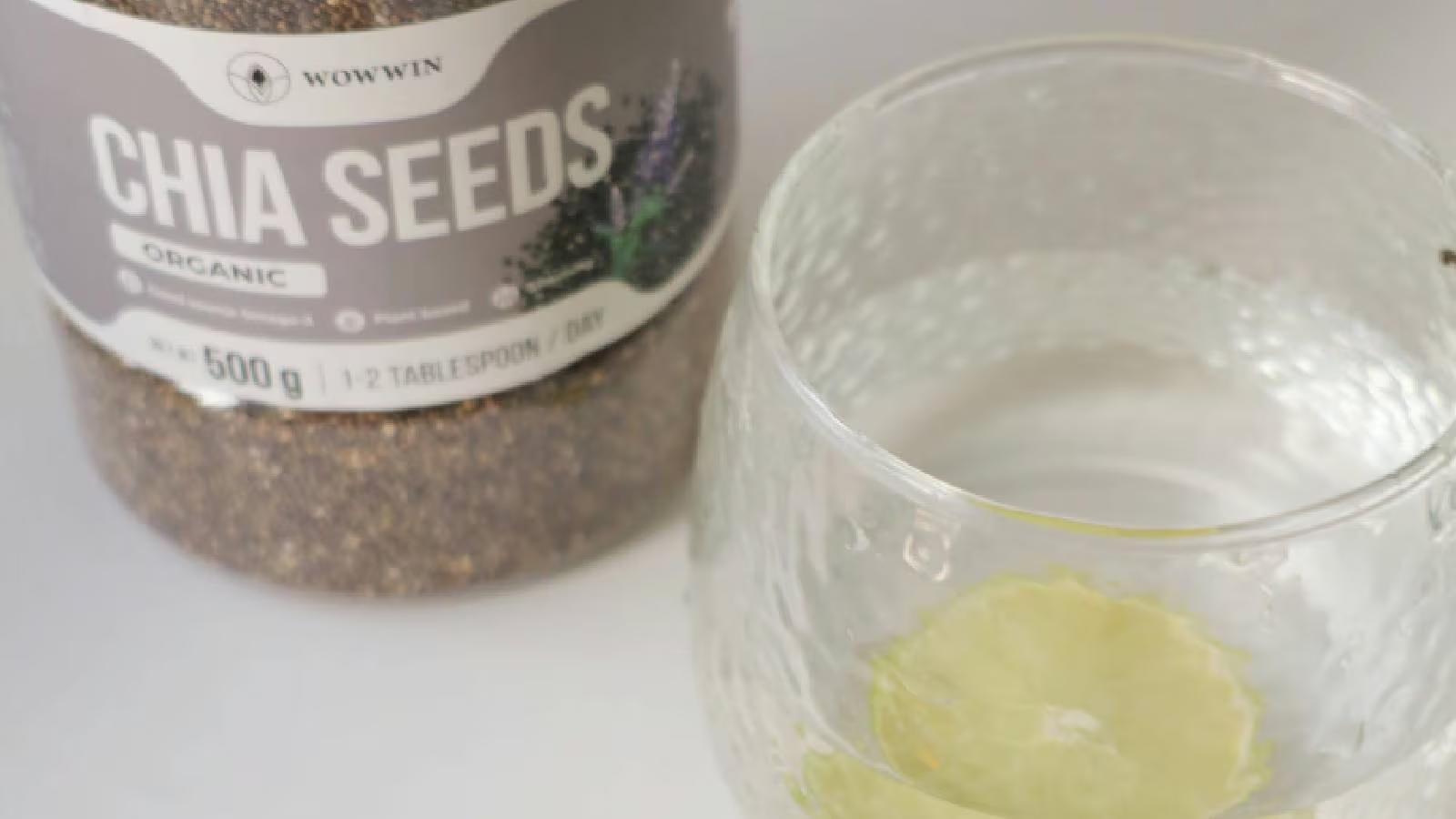
If your goal is simple—better digestion, less bloating, and steady energy—this is where everything starts. When chia seeds are soaked in water, something really important happens: they hydrate fully without interference. No proteins, no fats, nothing blocking the process. Just pure fiber expansion.
And that matters more than you think.
Because the gel that forms—thanks to soluble fiber—moves gently through your digestive system. It’s not harsh. It’s not heavy. It’s smooth. That’s why people often notice improvements in stool consistency, reduced constipation, and even fewer blood sugar spikes.
“Chia seeds in water allow maximum fiber activation and smooth digestion through the gut.”
I noticed this myself within a few days. Things just felt… lighter. More regular. No weird heaviness after eating. It’s subtle, but once you feel it, you don’t want to go back.
Here’s how I do it now:
- 1 tablespoon chia seeds
- 1 glass of water
- Let sit for 30 minutes (or overnight)
- Stir once or twice to prevent clumping
The key is patience. If you rush it, the gel doesn’t fully form—and you miss the benefit.
This method is especially powerful if you’re trying to lose weight or improve gut health. It slows digestion just enough to keep you full longer, without adding unnecessary calories.
Chia Seeds in Milk: Where Nutrition Gets a Powerful Upgrade

Now this is where things shift. Because when you add milk—whether dairy or plant-based—you’re no longer just focusing on fiber. You’re entering the world of nutrient optimization.
Milk contains both protein and fat. And while that slightly reduces how much the chia seeds expand, it does something else that’s incredibly valuable: it helps your body absorb omega-3 fatty acids more effectively.
That’s a trade-off most people don’t even realize they’re making.
“Milk enhances omega-3 absorption, making chia seeds more nutritionally dense—but heavier to digest.”
When I switched to this method post-workout, I noticed a completely different effect. More sustained energy. Less hunger. It felt like a proper meal rather than just a health add-on.
Here’s how to prepare it:
- 1 tablespoon chia seeds
- 1 cup milk
- Soak for 1–2 hours or overnight
But here’s the catch—and this matters. This method isn’t for everyone. If you struggle with bloating or slow digestion, this can feel heavy. And if you’re lactose intolerant, it’s a no-go.
But if your goal is muscle support, energy, or even healthy weight gain? This is powerful.
Chia Seeds in Yogurt: The Slow Burn That Transforms Your Gut
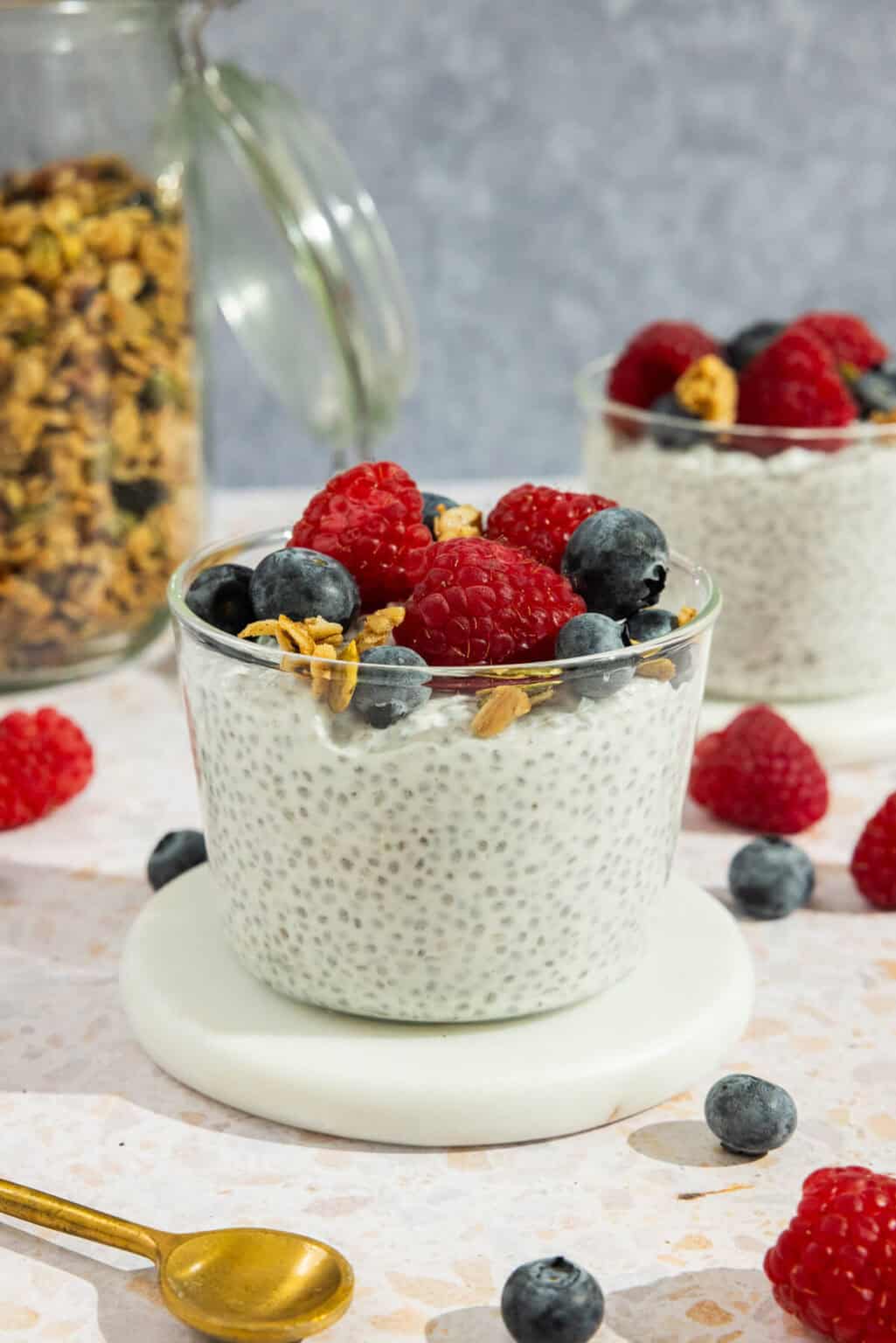
This one surprised me the most. Because at first glance, it feels similar to milk. But it’s not. Not even close.
Yogurt is thicker. It’s fermented. And it’s packed with probiotics. So instead of focusing on immediate fiber hydration, this method plays the long game.
The chia seeds absorb more slowly, forming a denser gel. But at the same time, the probiotics in yogurt begin working on your gut microbiome—improving how your body processes nutrients over time.
“Yogurt supports long-term digestion by improving gut microbiota and mineral absorption.”
This isn’t an overnight fix. It’s a build-up. But after a week or two, the difference becomes noticeable—especially if you’ve struggled with irregular digestion.
Here’s how I make it:
- 1 tablespoon chia seeds
- Plain unsweetened yogurt
- Let sit for 20–30 minutes
Best eaten as part of a meal, not on an empty stomach.
If your focus is gut health, this is easily the most underrated method. But again—if you’re sensitive to dairy or histamines, it may not work for you.
Wrapping Up: The Truth Most People Miss About Chia Seeds
So here’s the part no one tells you—and honestly, it’s the reason most people give up on chia seeds too early. There is no single “best” way to eat them. And that’s not a flaw… it’s actually the advantage.
Because once you understand what each method does, you stop guessing. You stop copying random recipes. You start choosing intentionally.
If you want quick digestive relief and something that feels light and easy—water wins. It’s clean, simple, and incredibly effective for gut health and weight loss support. No distractions, just pure fiber doing its job.
If you’re looking for something more nourishing, something that actually fuels your body—milk becomes the better choice. It adds depth. It adds energy. It helps your body absorb key nutrients like omega-3s in a way water simply can’t.
And if you’re thinking long-term—if you want to actually improve your gut over time—yogurt stands out in a completely different way. It’s not instant, but it builds something stronger underneath the surface.
That’s the real shift. It’s not about which one is “better”—it’s about which one is better for YOU.
Once I understood this, everything changed. My results felt intentional. Predictable. And honestly… a lot more satisfying.
👉 Discover the exact chia method that fits your goal now
Key Takeaways
- Chia seeds need liquid to activate – Without hydration, their benefits are limited.
- Water maximizes fiber absorption – Best for digestion and weight loss support.
- Milk enhances omega-3 uptake – Ideal for energy and nutrient density.
- Yogurt improves long-term gut health – Supports microbiome balance over time.
- There is no single best method – Your goal determines the best choice.
👉 Click here to start using chia seeds the right way today
Actionable Step-by-Step Checklist
Category 1: Choose Your Goal
- Pick one goal: weight loss, energy, or gut health
- Match it to method (water, milk, yogurt)
Category 2: Prepare Chia Seeds
- Add 1 tablespoon chia seeds
- Add your chosen liquid
- Mix well
- Wait required time
Category 3: Consume Correctly
- Drink water version on empty stomach
- Eat milk version for breakfast or post-workout
- Eat yogurt version with meals
Category 4: Stay Safe
- Never eat dry chia seeds
- Drink plenty of water daily
- Start with small amounts