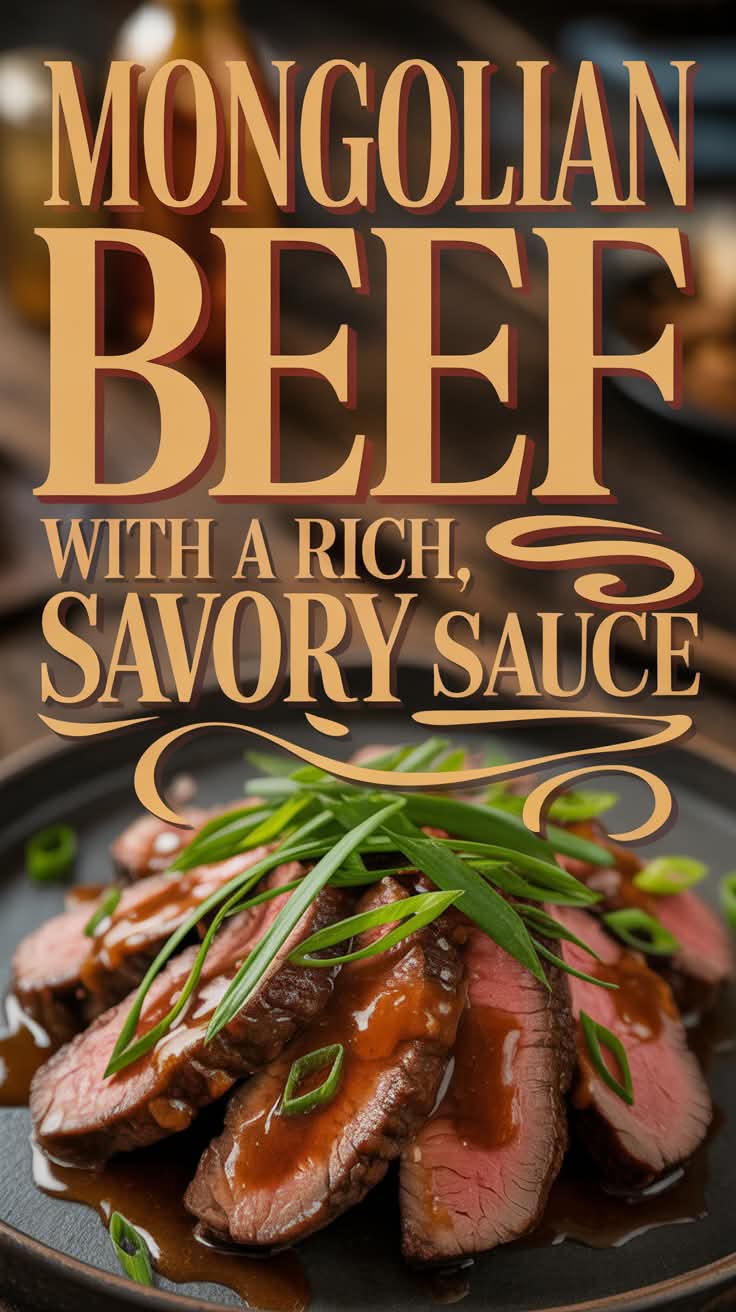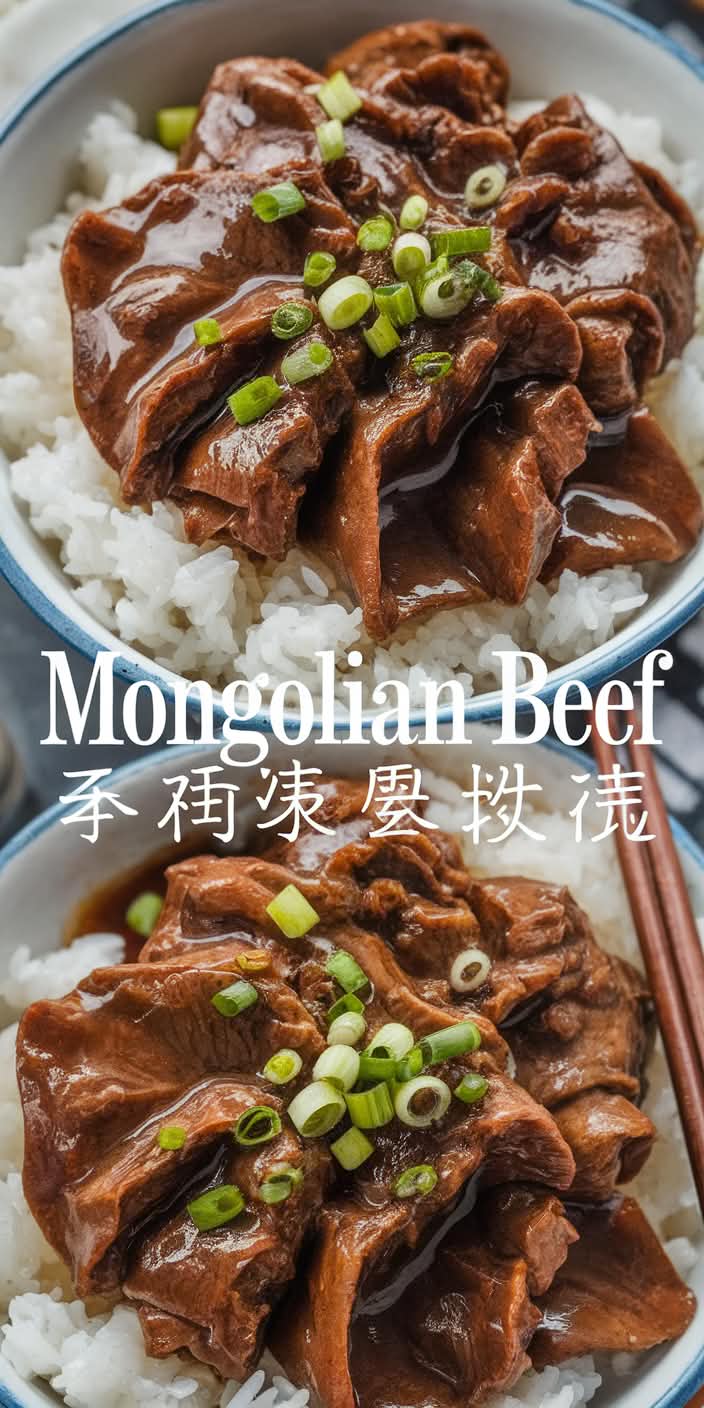
Here’s the shocking truth: most recipes you find online are missing the exact restaurant tricks that make this takeout favorite irresistible. Cutting against the grain, rinsing away myoglobin, and even using a little baking soda are the chef-approved techniques that transform tough beef into silky bites you’ll swear came straight from a restaurant kitchen.
In this article, we’ll reveal the time-tested methods of a retired Chinese chef who made this dish thousands of times at his family restaurant. If you’re tired of settling for “good enough” stir-fry, keep reading—you’re about to learn the real secrets behind perfect Mongolian Beef.
Mongolian Beef is one of those iconic Chinese-American dishes that has found its way into countless takeout menus, weeknight dinners, and recipe blogs. But while most people associate it with glossy, flavorful beef stir-fried with vegetables and sauce, very few know what it really takes to make it as tender and delicious as the restaurant version. The truth is, there’s a world of difference between quickly tossing some sliced beef into a pan and following the subtle yet powerful methods that professional chefs use behind the scenes.
In this article, we’re going beyond the recipe to uncover the insider techniques that guarantee your Mongolian Beef will impress even the toughest critics. You’ll discover why cutting beef against the grain is non-negotiable, how rinsing meat improves both taste and appearance, and why a pinch of baking soda is one of the most effective tenderizing hacks you’ll ever use in your kitchen. We’ll also break down the marinade that locks in flavor, the stir-fry sequence that achieves wok hei, and the finishing touches that elevate the dish from good to unforgettable.
Along the way, we’ll weave in lessons from Chef Lau—a retired Chinese chef with decades of experience who has perfected this dish in both restaurant kitchens and home settings. His step-by-step guidance proves that anyone can recreate restaurant-quality Mongolian Beef at home if they know the tricks. By the end of this guide, you’ll not only understand how to make tender beef stir-fry but also gain confidence in applying these principles to other dishes.
So grab your wok, sharpen your knife, and let’s unlock the secrets behind silky, flavorful Mongolian Beef that your friends and family will rave about.
Why Mongolian Beef Is Misnamed (But Still Delicious)
Mongolian Beef sounds exotic, but here’s the twist: it has nothing to do with Mongolia. As Chef Lau explains, the dish is actually a creation of Taiwanese and later American-Chinese cuisine. In the 1950s, “Mongolian BBQ” became a trendy term in Taiwan, marketed around stereotypes that Mongolian food was meat-heavy and indulgent. When the concept migrated to the U.S., it morphed into popular menu items like Mongolian Beef, despite no historical connection to Mongolian cooking traditions.
This misnaming isn’t unique. Other dishes like Singapore Noodles also have no real link to their namesake countries. Yet, these dishes thrive because they resonate with diners—offering bold flavors, quick preparation, and an appealing presentation. Mongolian Beef, in particular, became a top seller in many Chinese restaurants in America because of its balanced flavors: savory soy-based sauce, tender beef, crunchy vegetables, and just a hint of spice. As Chef Lau recalls, it was always among the top-selling dishes at his family’s restaurant, largely because it looked as good as it tasted.
Understanding this origin story matters for home cooks because it takes away the intimidation factor. You don’t need to replicate a centuries-old Mongolian tradition—you just need to master a modern Chinese-American technique. And that’s exactly what this article will walk you through.
Choosing the Right Cut of Beef (Flank vs. Cheaper Alternatives)
The first step toward tender Mongolian Beef is choosing the right cut of meat. Restaurants often rely on flank steak because of its balance of flavor, price, and availability. Flank steak, when sliced properly, delivers that chewy-yet-tender bite people love in stir-fries. However, as Chef Lau points out, flank steak can sometimes be pricier than necessary. He suggests an alternative: thinly-sliced New York steak. Surprisingly, this cut can be cheaper per pound and, when prepared correctly, just as delicious—if not more so.
The real lesson here is that Mongolian Beef isn’t about chasing the fanciest cut of beef; it’s about technique. Even tougher cuts can be transformed into silky stir-fry when handled correctly. Trimming gristle is non-negotiable because those connective tissues remain stringy no matter how you cook them. Once trimmed, the beef is ready for the next critical step: slicing it properly against the grain, which we’ll cover in detail in the next section.
If you’re on a budget, don’t shy away from cheaper cuts. With the marinade and tenderizing process we’ll outline below, you can make grocery store beef taste like restaurant-quality fare. This approach not only saves money but also helps stretch meals further—an important principle that many immigrant families, like Chef Lau’s, lived by while building their lives in America.
Cutting Against the Grain: The Chef’s First Secret
If you’ve ever bitten into stir-fried beef that felt chewy or rubbery, the culprit is often the way it was cut. Beef muscle fibers run in long strands, known as the “grain.” Cutting along those fibers leaves them intact, making the meat tougher to chew. Cutting against the grain shortens the fibers, producing smaller, more tender bites. As Chef Lau demonstrates, identifying the grain lines in beef is simple: look closely for the lines running through the meat, then slice perpendicular to them into bite-sized strips.
This step alone can dramatically improve your results at home. But Chef Lau takes it one step further by rinsing the beef in water to remove excess myoglobin—the protein that gives beef its reddish color. Rinsing not only makes the cooked beef look more appetizing but also prevents it from darkening excessively during stir-frying.
“Can you see the grain lines? If you cut along the grain, the meat will be tough. We want to cut across the grain. Then the meat won’t be tough.” – Chef Lau
This fundamental kitchen habit—cutting correctly—sets the stage for everything that follows. Once the beef is sliced and rinsed, it’s ready for the marinade that transforms it from ordinary to extraordinary.
Baking Soda: The Tenderizer Restaurants Swear By
Ask any home cook about tenderizing beef and you’ll hear suggestions like pounding it with a mallet. But in Chinese restaurant kitchens, the real secret weapon is baking soda. Just a teaspoon added to the marinade can completely change the texture of beef. Here’s why: baking soda alkalizes the surface of the meat, raising its pH and preventing the proteins from bonding too tightly. This allows the beef to retain more water during cooking, making it juicy and tender instead of dry and chewy.
In Chef Lau’s marinade, baking soda is combined with cornstarch, water, oyster sauce, light and dark soy sauce, and a pinch of white pepper. The cornstarch helps seal in the juices, while the soy sauces and oyster sauce build deep umami flavor. Together, these ingredients transform even inexpensive cuts into restaurant-worthy stir-fry.
If you’re hesitant about using baking soda, know that it’s a time-tested method used in thousands of restaurant kitchens. As Chef Lau explains, “Without it, the meat can dry out quickly and become tough.” For those who prefer not to use it, physical tenderizing works, but it won’t achieve quite the same silky effect. This is one restaurant trick that’s worth adopting at home.
Wok Hei: Cooking at High Heat for Authentic Flavor
Wok hei, often described as the “breath of the wok,” is the smoky, complex flavor that comes from cooking food over extremely high heat in a seasoned wok. It’s one of the hardest techniques to master at home, but with Chef Lau’s guidance, it becomes achievable. The key lies in heating your wok until it’s nearly smoking before adding oil, then stir-frying ingredients quickly to prevent sticking while developing that signature seared flavor.
For Mongolian Beef, the process begins by briefly deep-frying the marinated beef until crisp, then removing it before stir-frying aromatics like garlic, dried chilies, and onions. The beef is reintroduced with bell peppers and green onions, followed by the sauce. Timing is critical: too long, and the beef overcooks; too short, and the flavors don’t meld. Done correctly, the result is tender beef infused with the elusive wok hei.
“If you’re fast, it won’t stick to your wok. That’s how you get wok hei.” – Chef Lau
Even if you’re cooking on a home stovetop, you can approximate wok hei by preheating your pan thoroughly, working quickly, and keeping ingredients moving constantly. The reward is a dish that looks, smells, and tastes like it came from your favorite restaurant.
Wrapping Up
Making tender Mongolian Beef at home isn’t about luck—it’s about technique. From choosing the right cut of beef to slicing against the grain, rinsing to remove myoglobin, marinating with baking soda, and mastering wok hei, each step builds upon the last. Together, these methods transform a simple stir-fry into a restaurant-quality dish that wows both in flavor and presentation.
The beauty of Chef Lau’s approach is that it’s accessible. You don’t need professional equipment or rare ingredients—just attention to detail and a willingness to apply these tested techniques. Even budget-friendly cuts of beef can be elevated into silky, flavorful bites with the right preparation. And once you master Mongolian Beef, you’ll find yourself applying these lessons to countless other stir-fry dishes, from Beef Chow Fun to simple weeknight vegetable stir-fries.
So the next time you’re tempted to order takeout, consider this: you already have the secrets to making Mongolian Beef that’s fresher, cheaper, and more delicious than what you’d get at a restaurant. All it takes is a few simple adjustments and a little practice. Your wok is waiting—are you ready to cook like a pro?
Key Takeaways
- Mongolian Beef is a Chinese-American creation, not Mongolian in origin.
- Cutting against the grain ensures tender beef in every bite.
- Rinsing beef removes myoglobin for better color and texture.
- Baking soda is a powerful tenderizer that restaurants use daily.
- Marinating with soy sauces and cornstarch builds flavor and locks in juices.
- Wok hei is achieved by cooking quickly at very high heat.
- Even budget cuts can become silky and delicious with the right technique.
Step-by-Step Checklist
Category 1: Preparation
- Buy beef (flank or New York steak) and fresh vegetables (onions, peppers, garlic, green onion).
- Set up your cutting board with a towel underneath to keep it steady.
- Sharpen your knife for clean cuts.
Category 2: Beef Prep
- Trim away all gristle from the beef.
- Slice thinly across the grain into bite-sized strips.
- Rinse beef in water to remove excess redness.
Category 3: Marinade
- Mix baking soda, cornstarch, water, soy sauces, oyster sauce, and white pepper.
- Add beef and mix thoroughly, letting it rest.
- Add oil last to seal in the marinade.
Category 4: Sauce & Veggies
- Mix soy sauce, oyster sauce, chili paste, sugar, and cooking wine into a sauce.
- Slice onions and peppers into strips, chop garlic, and prep green onions.
Category 5: Cooking
- Heat wok until smoking, add oil, and deep-fry beef briefly.
- Stir-fry garlic, chili, and onions until aromatic.
- Add peppers and green onion whites, then return beef to the wok.
- Stir quickly, add sauce, and finish with green onion tops and sesame oil.